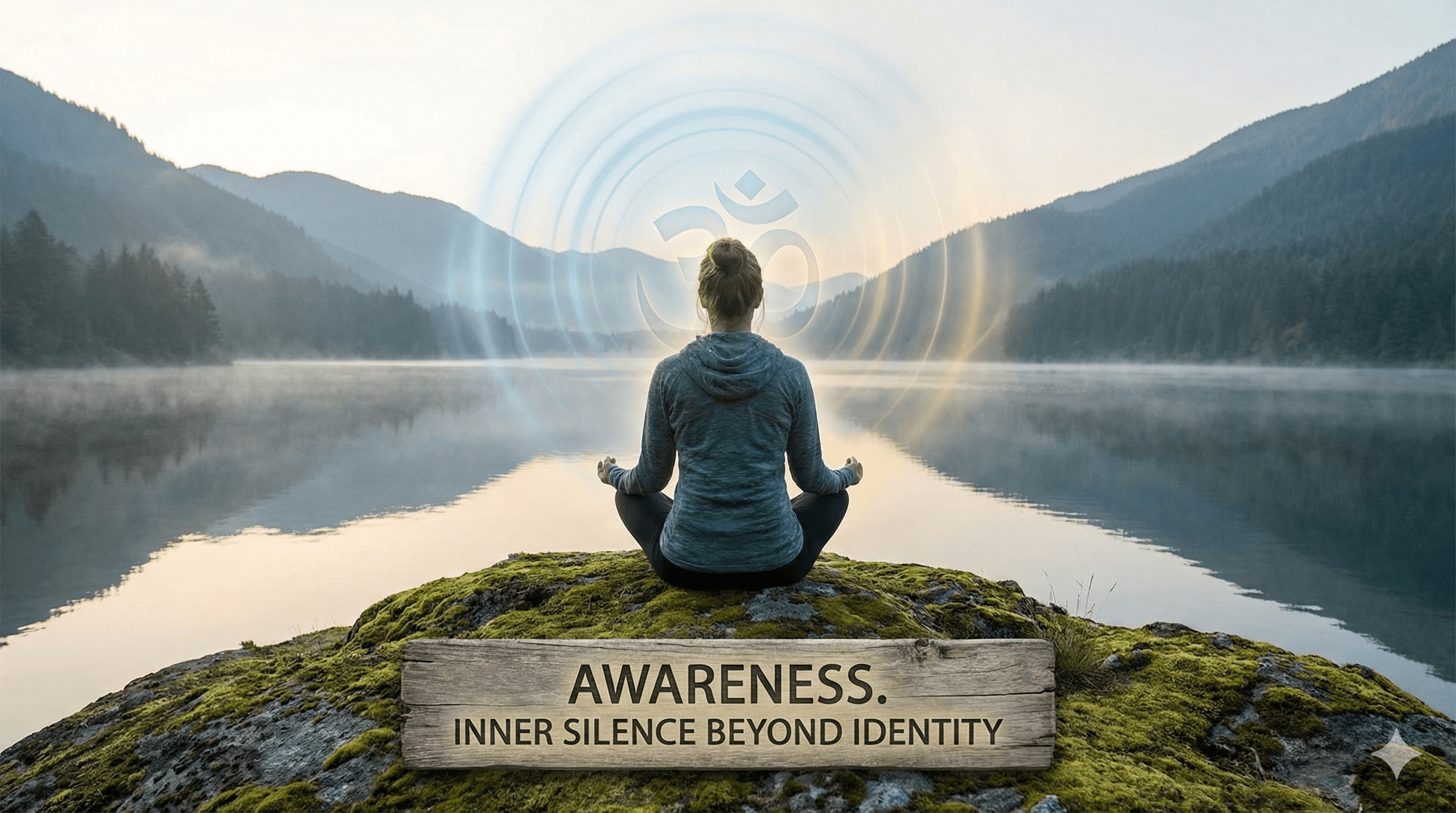
Impermanence, Identity, and the Quiet Confusion We Live In
There is something unsettling about looking at the body without romance.
We polish it.
Dress it.
Strengthen it.
Display it.
Compare it.
Yet if we pause and observe honestly, the body is not stable, not fully under our control, and certainly not permanent.
So why does identity cling to it so fiercely?
Dikshaant
Feb 19, 2026
15
mins
Reading time
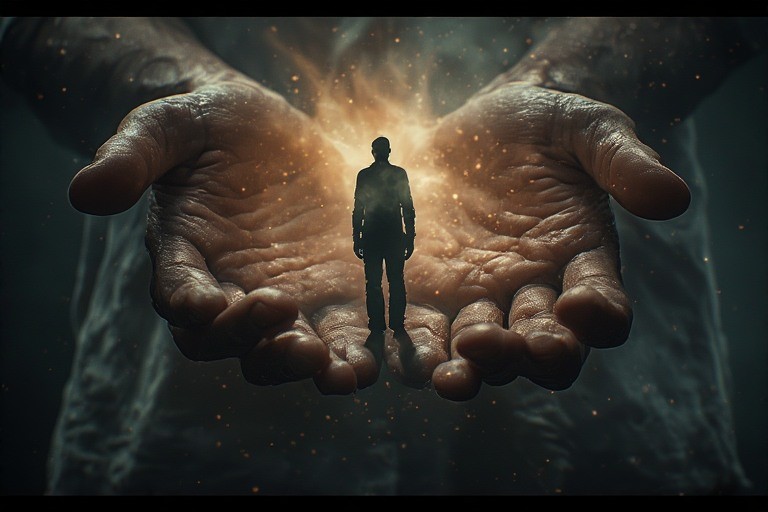
What Exactly Is the Body?
Biologically, it is structure.
Bone framework.
Nerve wiring.
Circulating fluids.
Cells constantly dying and regenerating.
It is not fully conscious.
It is not fully unconscious.
It operates through intelligence that is not “you” in any deliberate sense.
Your heart beats without permission.
Your hair grows without consultation.
Your cells repair without applause.
The body functions, but it does not declare identity.
The declaration comes from somewhere else.
The Body as Structure, Not Self
Think of the body as architecture.
A temporary house built from organic material.
Its walls age.
Its paint fades.
Its plumbing weakens.
You can maintain it.
You can improve it.
But you cannot freeze it.
Time is not an enemy. It is simply movement.
And the body moves with it.
Why We Overinvest in It
Because the body is visible.
It is measurable.
It is socially evaluated.
It is rewarded or rejected.
When identity fuses with the body, insecurity begins.
A wrinkle becomes threat.
Illness becomes humiliation.
Aging becomes crisis.
But the body was always changing.
The shock comes not from change itself, but from attachment.
Equality at the Level of Flesh
Strip away clothing, wealth, status.
What remains?
A body subject to fatigue.
A body subject to illness.
A body subject to decay.
The wealthy and the poor share this vulnerability.
Power does not negotiate with mortality.
Recognition does not extend lifespan indefinitely.
The body equalizes everyone.
The Fragility We Ignore
Consider this quietly:
No matter how well you feed it, the body ages.
No matter how carefully you protect it, it weakens.
No matter how much attention you give it, it eventually stops.
This is not pessimism.
It is biological fact.
And yet most of our anxiety is built on preserving what cannot be preserved indefinitely.
The Ego’s Residence
The body becomes the house of ego.
“I look good.”
“I am strong.”
“I am attractive.”
“I am superior.”
But when the body shifts, the ego trembles.
If your identity rests on appearance, aging feels like erosion of self.
If your identity rests on physical strength, weakness feels like collapse of value.
The body changes.
The ego resists.
Conflict begins.
Does This Mean We Should Reject the Body?
No.
Contempt is not the message.
Clarity is.
The body is a vehicle.
It allows experience.
It enables action.
It makes relationship possible.
But it is not the driver.
Confusion begins when the vehicle becomes the identity.
The Psychological Shift
Instead of asking:
“How do I perfect this body?”
Ask:
“How do I relate to this body?”
Do you use it as a tool?
Or do you treat it as your entire worth?
This shift changes everything.
You still exercise.
You still care for health.
You still rest.
But fear reduces.
Because identity is no longer attached exclusively to form.
Mortality as Clarity
Death is not a philosophical abstraction.
It is biological inevitability.
The body will not follow you beyond its own capacity.
Knowing this can produce panic.
Or perspective.
If the body is temporary, what deserves deeper attention?
Character.
Awareness.
Clarity.
Integrity.
These are not dependent on muscle tone or skin texture.
Leadership and the Body
When identity is fused with appearance, leadership becomes fragile.
Criticism hurts more.
Aging threatens authority.
Illness feels like loss of power.
But when identity is grounded in understanding rather than form, leadership stabilizes.
You speak from clarity, not from image.
Relationships and the Body
Attraction is natural.
But if love depends entirely on physical form, it is structurally unstable.
Bodies change.
If connection cannot survive that, it was never grounded in depth.
When identity shifts inward, relationships become less transactional.
Less comparative.
Less anxious.
Closing Reflection
Stand in front of a mirror.
Look carefully.
This face has changed before.
It will change again.
Ask yourself:
Is this truly who I am?
Or is this the structure through which I experience life?
When that question becomes real, not theoretical, something softens.
You begin to care for the body without worshiping it.
And in that shift, a quieter freedom appears.