The Gita as the Drama of the Soul
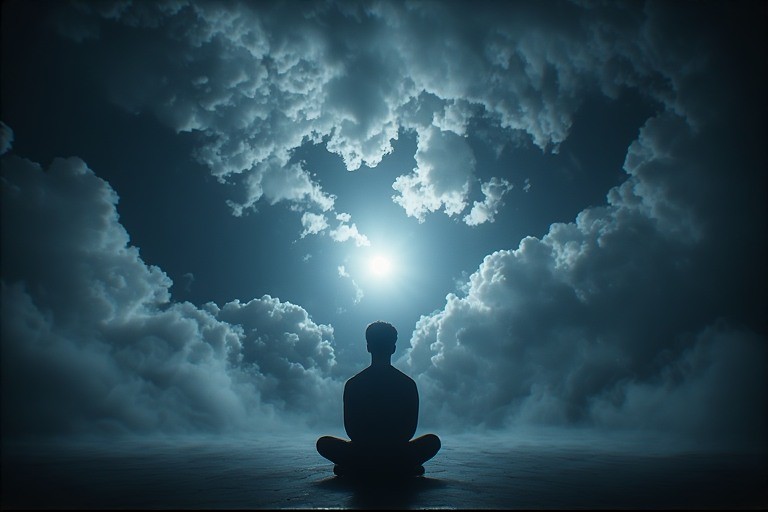
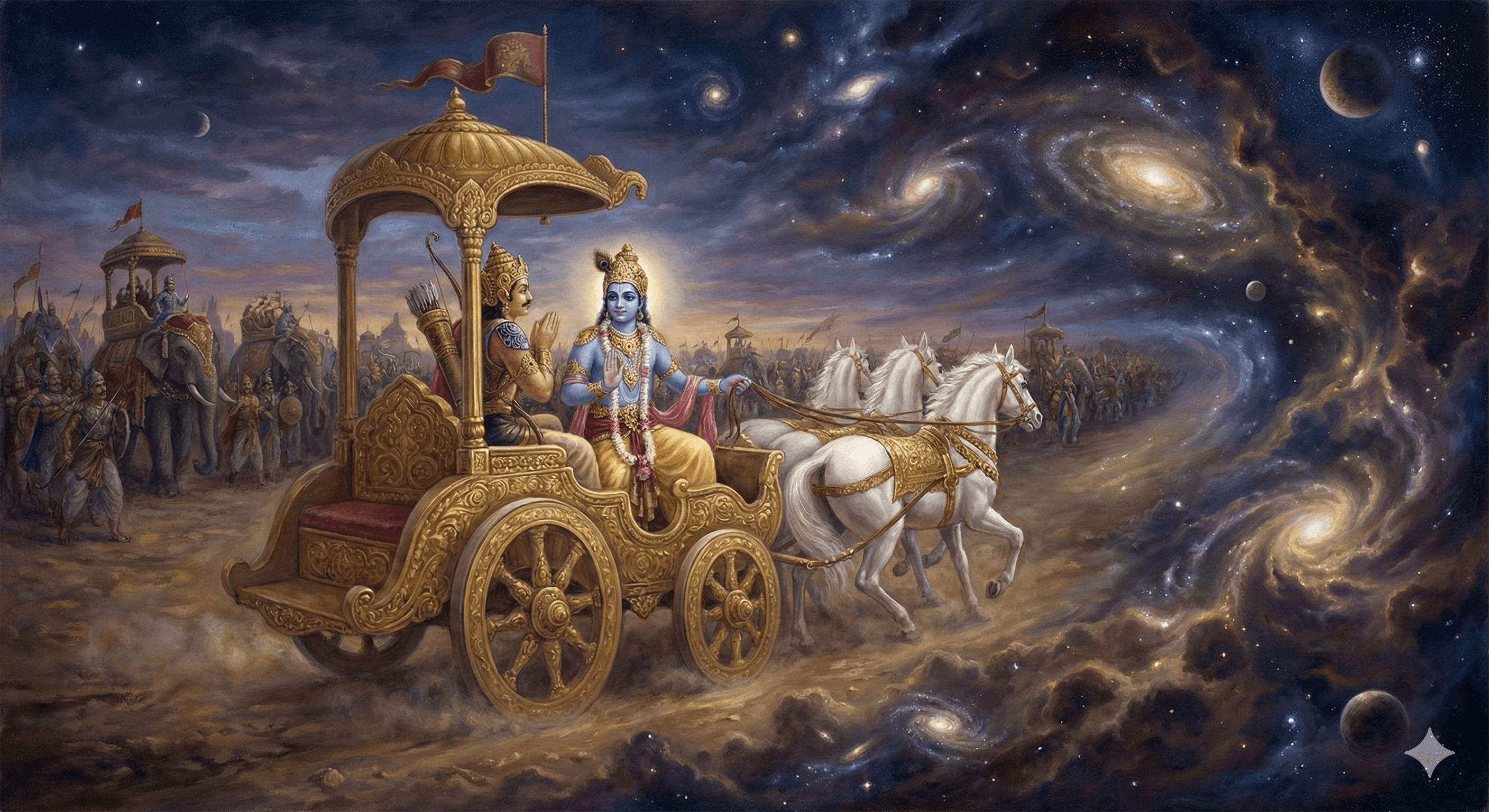
The Bhagavad Gita is often described as a sacred dialogue on a battlefield. But mystics have long hinted at something deeper: it is the drama of the soul.
The armies represent inner forces.
The warriors represent psychological tendencies.
The dialogue represents the conversation between confusion and clarity.
When we read the Bhagavad Gita as drama of the soul, it stops being ancient history and becomes personal psychology.
Dikshaant
Feb 22, 2026
5
mins
Reading time
What Is Kurukshetra Within Human Consciousness?
Kurukshetra is the physical battlefield in the epic. Spiritually, it symbolizes the inner battlefield.
This is the space where:
Desire fights duty
Fear fights courage
Ego fights wisdom
The Kurukshetra within human consciousness is that tense moment when you must choose who you want to be.
Every anxiety attack.
Every moral dilemma.
Every identity crisis.
That is Kurukshetra.
Arjuna: The Human Condition
Arjuna collapses before the war begins. His bow slips. His confidence dissolves.
He is not weak. He is overwhelmed.
Arjuna represents:
Emotional confusion
Moral paralysis
Existential doubt
His breakdown is the beginning of awakening.
In modern language, he is experiencing identity pressure and emotional overload. The Gita does not shame this state. It transforms it.
Krishna: The Voice of Higher Intelligence
Krishna does not fight for Arjuna. He clarifies his perception.
Krishna represents:
Inner wisdom
Higher awareness
Stable consciousness beyond emotional storms
Meditation on the Gita is essentially strengthening the Krishna principle within you.
This is why meditation for emotional balance is central to its teaching. When awareness becomes steady, reactions lose their tyranny.
Transplanting the Battlefield Within
“Transplanting Kurukshetra within” means this:
Instead of blaming the world, observe your internal conflict.
Ask:
Who is afraid?
Who is attached?
Who is resisting?
Who is aware of all this?
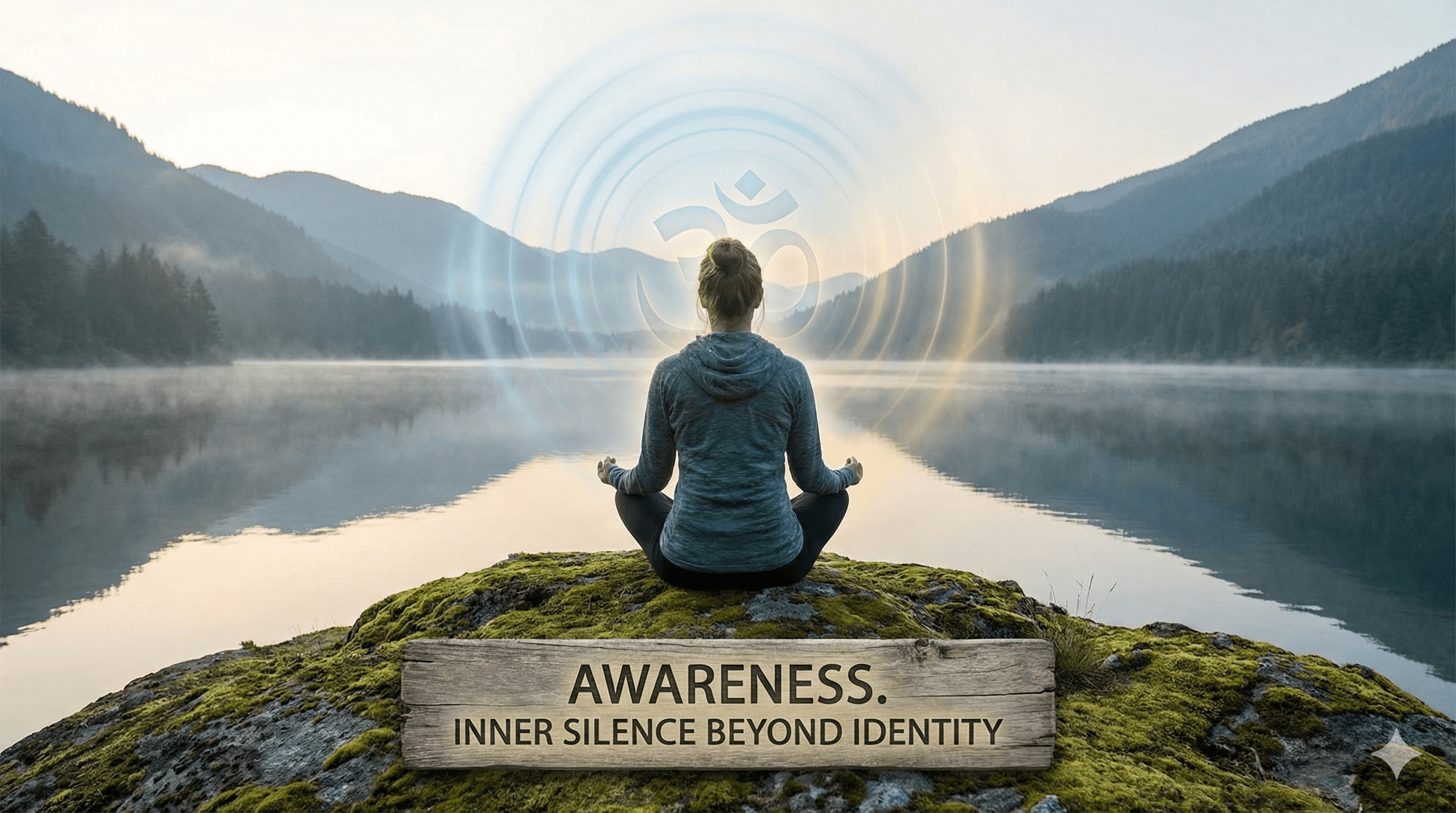
When you meditate, the battlefield becomes visible. And when it becomes visible, it becomes workable.
This is the spiritual meaning of Kurukshetra. It is a mirror.
Direct Realization, Not Just Philosophy
The Gita is not asking for belief. It invites realization.
When practiced deeply:
You see thoughts arise and fall.
You notice ego without identifying with it.
You act without inner agitation.
This leads to self-realization.
Not as a mystical fireworks show.
But as steady clarity.
You remain centered while life moves.
Emotional Balance as the Real Victory
The war in the Gita ends with victory. But symbolically, the real victory is inner equilibrium.
Emotional balance means:
Acting without panic
Feeling without drowning
Thinking without over-identifying
The true conquest is mastery over internal chaos.
When the battlefield quiets, you discover something astonishing:
You were never the warrior.
You were the awareness witnessing the war.
That is liberation.